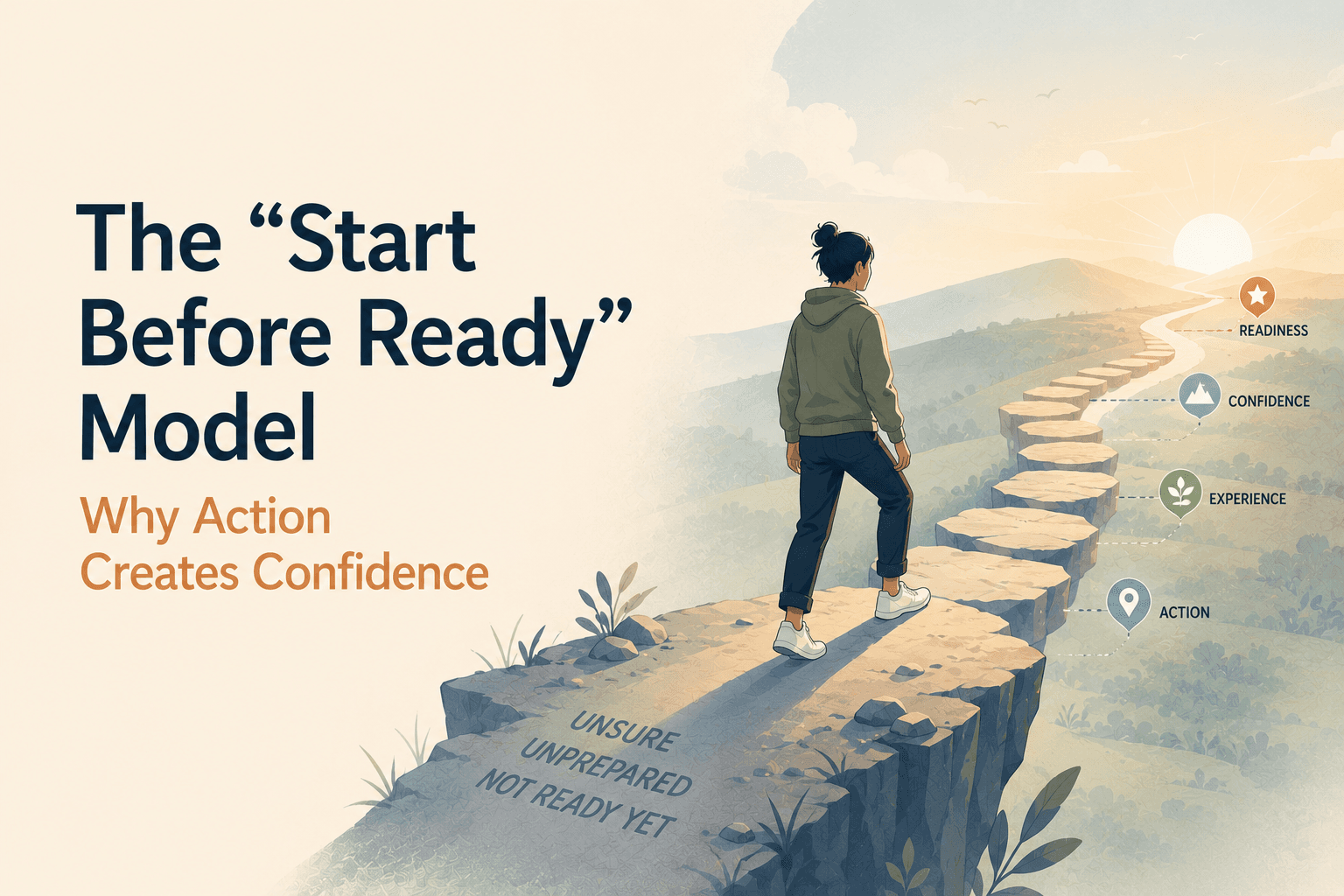
Why You Don’t Start Until It Feels Safe: The Hidden Delay Pattern
Why you don’t start until it feels safe reveals how fear, overthinking, and self-doubt delay action by waiting for certainty that never comes.
50 Results

Why you don’t start until it feels safe reveals how fear, overthinking, and self-doubt delay action by waiting for certainty that never comes.

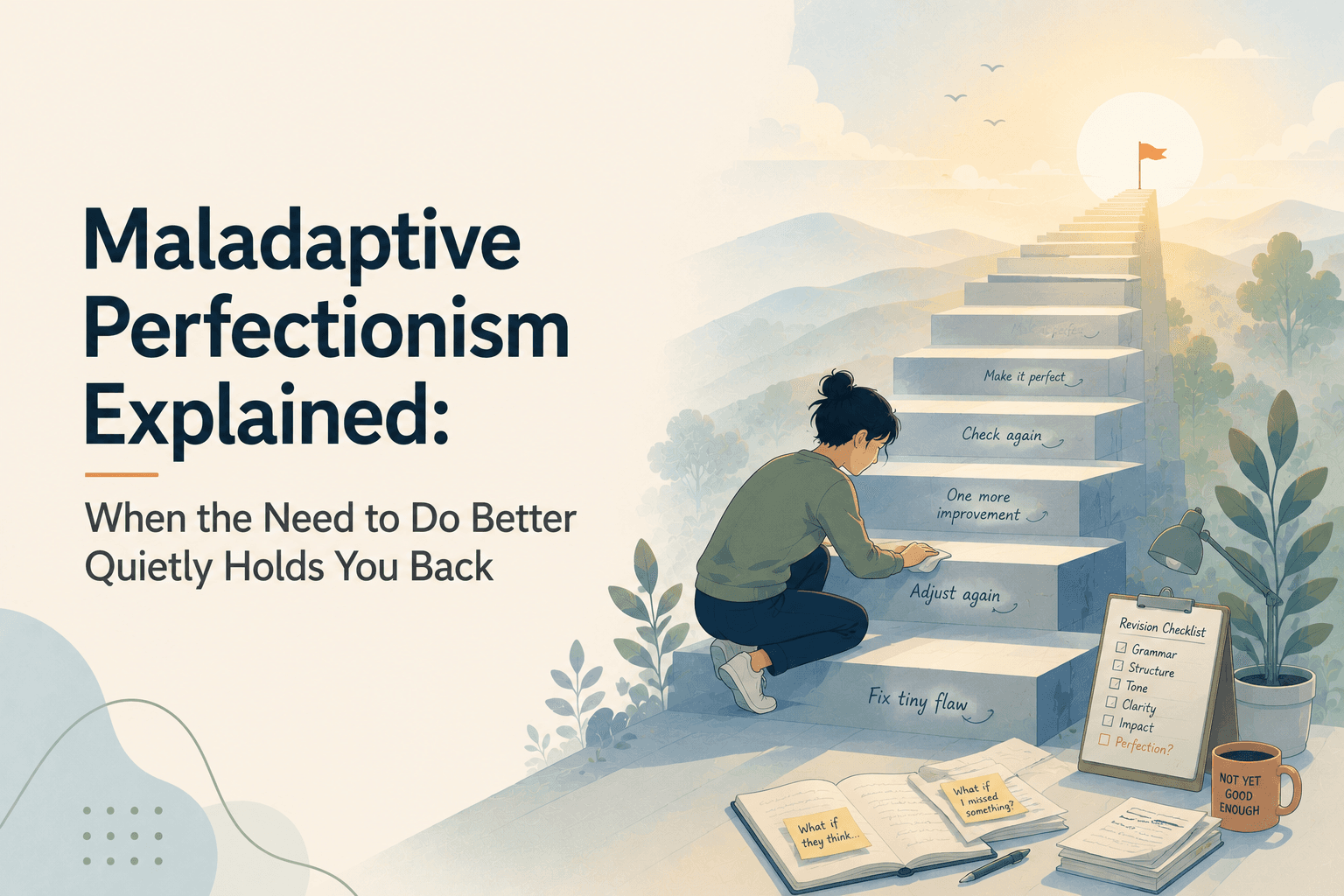
Why you prepare more than you execute reveals how overthinking and fear turn preparation into delay, quietly blocking real action.

Why fear disguises itself as logic reveals how rational thinking can mask fear, creating overthinking, hesitation, and delayed action.

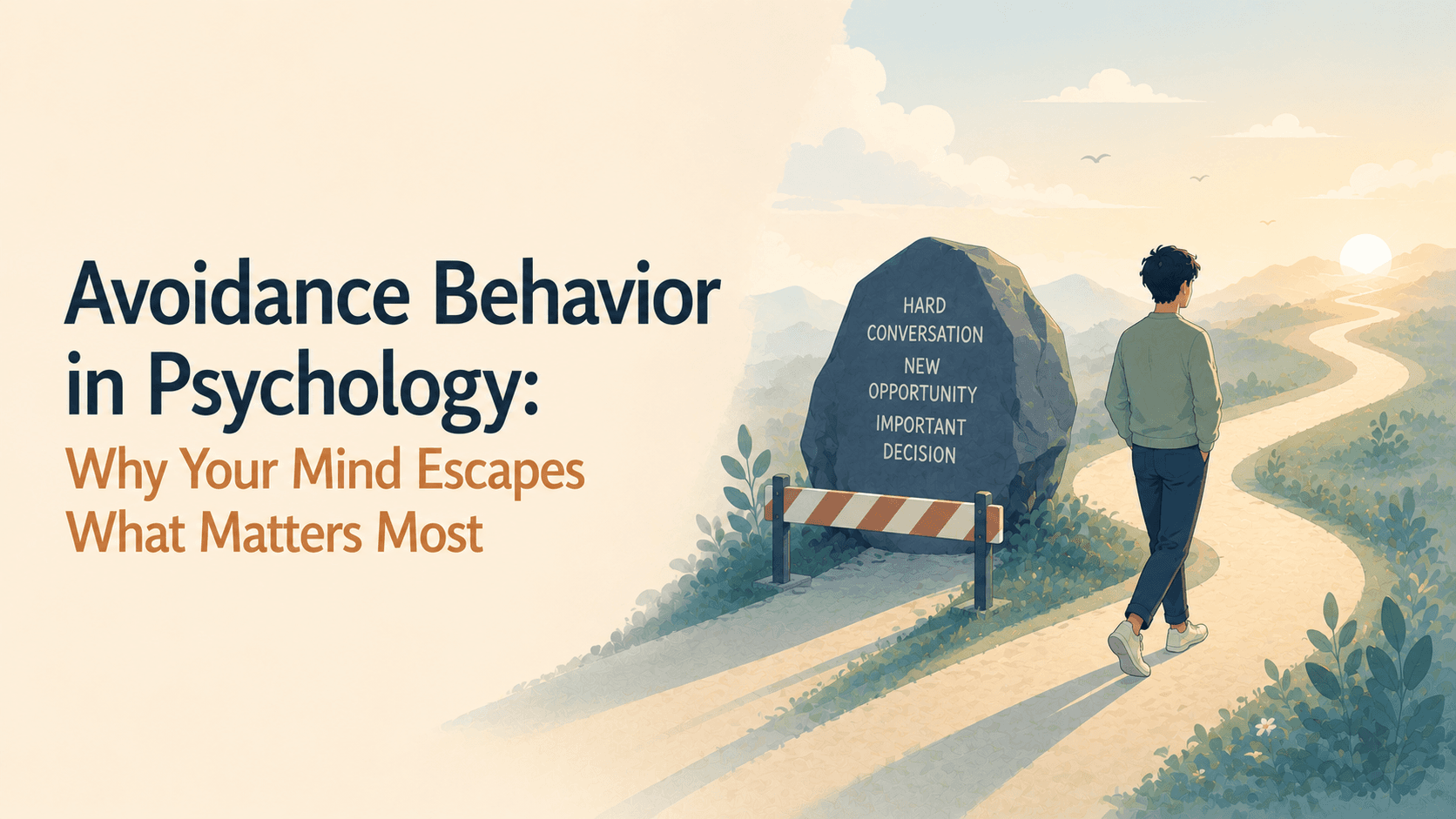
Why you avoid opportunities you want reveals a quiet self-sabotage pattern where fear, doubt, and overthinking delay action you already desire.

Why you wait until it’s too late often reveals a self-sabotage pattern where delay, pressure, and fear combine to force last-minute action.

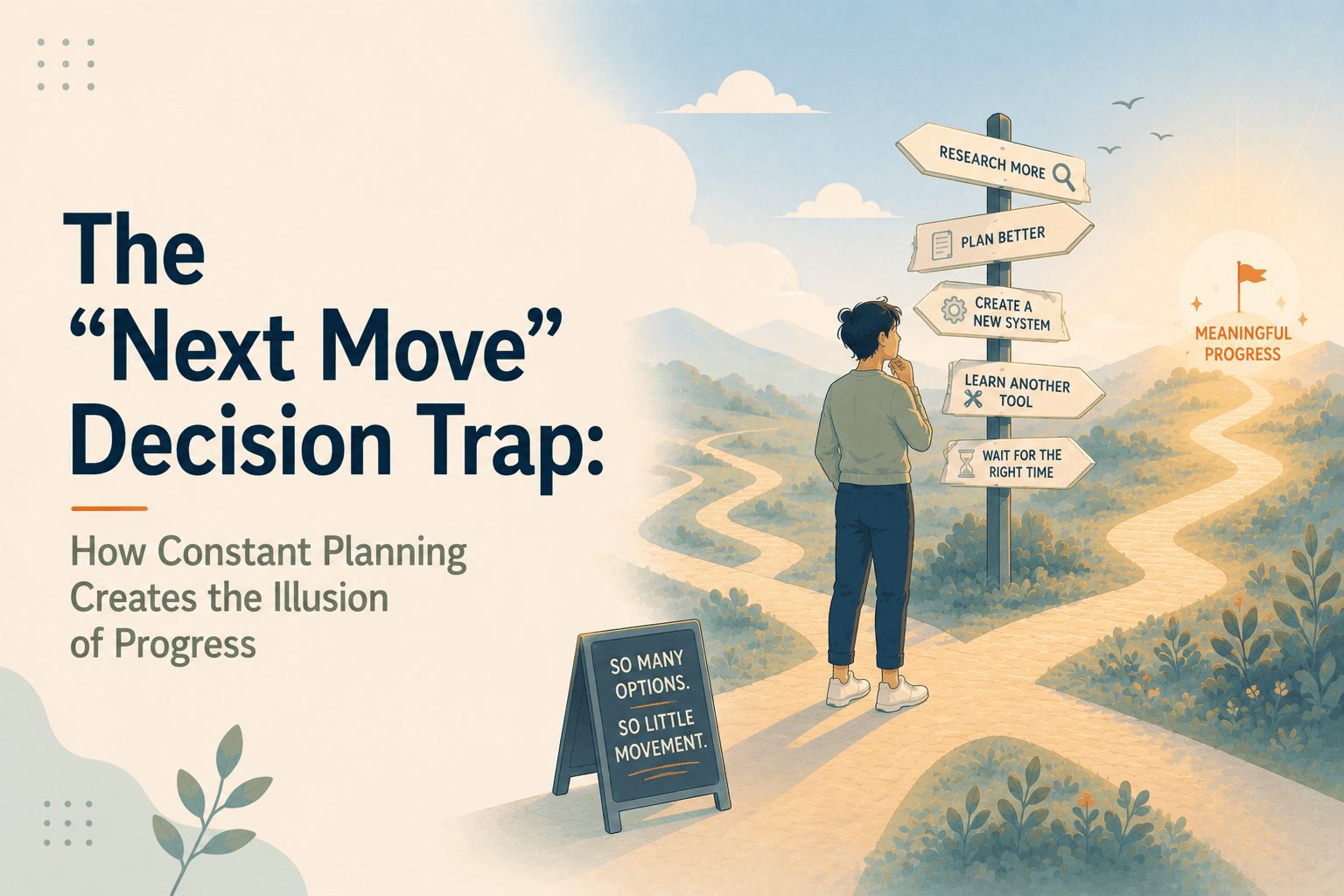
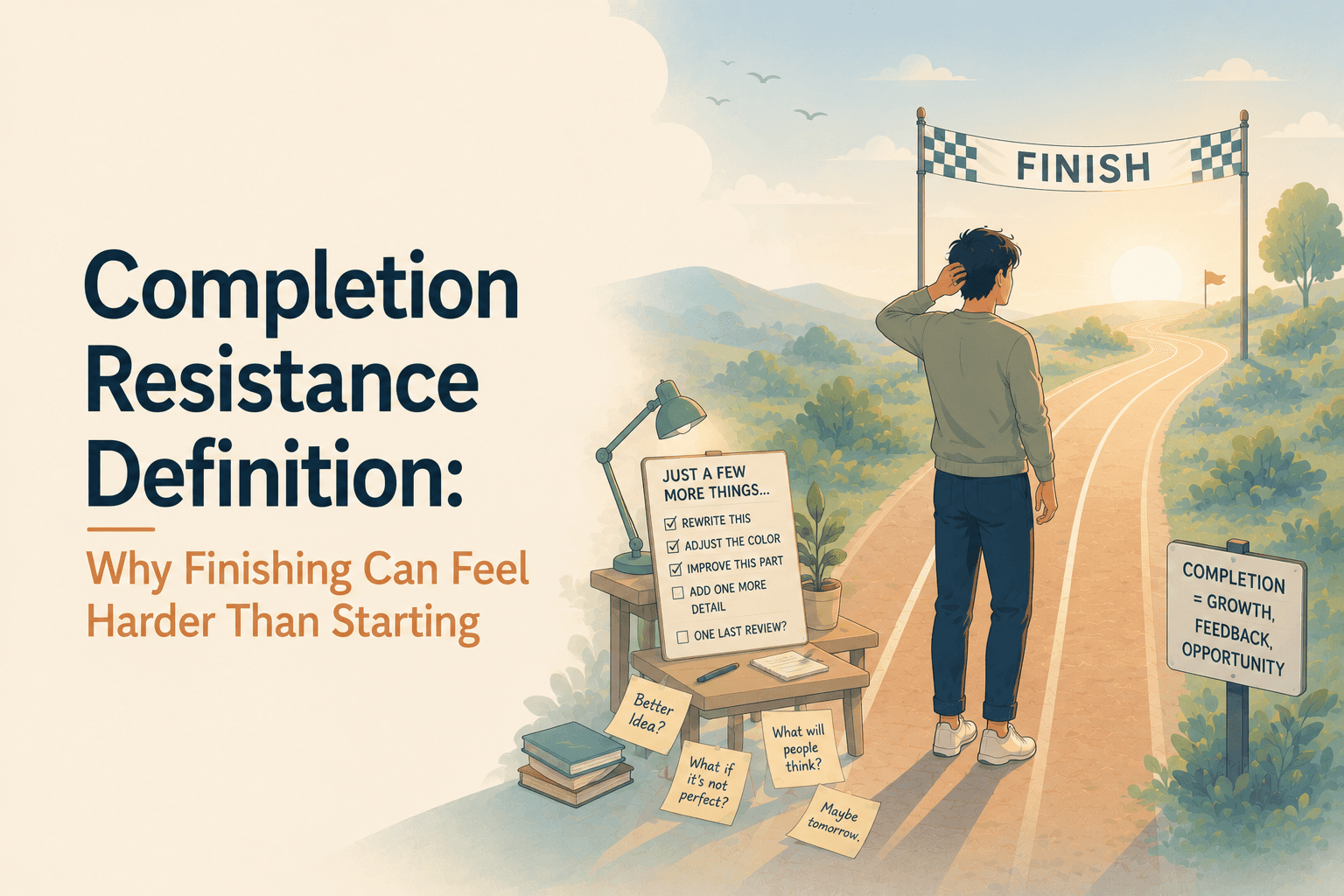
Why starting feels harder than planning reveals a hidden self-sabotage pattern where thinking replaces action to avoid risk and uncertainty.

Why you delay things that matter most often comes from hidden self-sabotage patterns driven by fear, overthinking, and internal pressure.

Overthinking a text message can quietly turn a simple delay into a self-sabotage loop built on doubt, control, and hidden meaning.

The clarity comes after model reveals why overthinking delays action, and how clarity often appears only after you begin moving.

The already decided method shows how treating decisions as finished reduces overthinking loops and prevents repeated hesitation.

The thinking-to-action switch framework reveals how shifting from mental loops to small action breaks overthinking and reduces hesitation.

The 2-minute action rule for overthinkers reveals how small actions interrupt overthinking loops and reduce hesitation in everyday decisions.

Rumination vs overthinking shows how one repeats the past while the other loops on decisions, quietly shaping self-doubt and delay.

Analysis paralysis definition reveals a pattern where overthinking delays decisions, as the mind seeks certainty but ends up repeating instead.

Cognitive overload: what it means is when the mind handles too much at once, causing overthinking, mental fatigue, and delayed decisions.

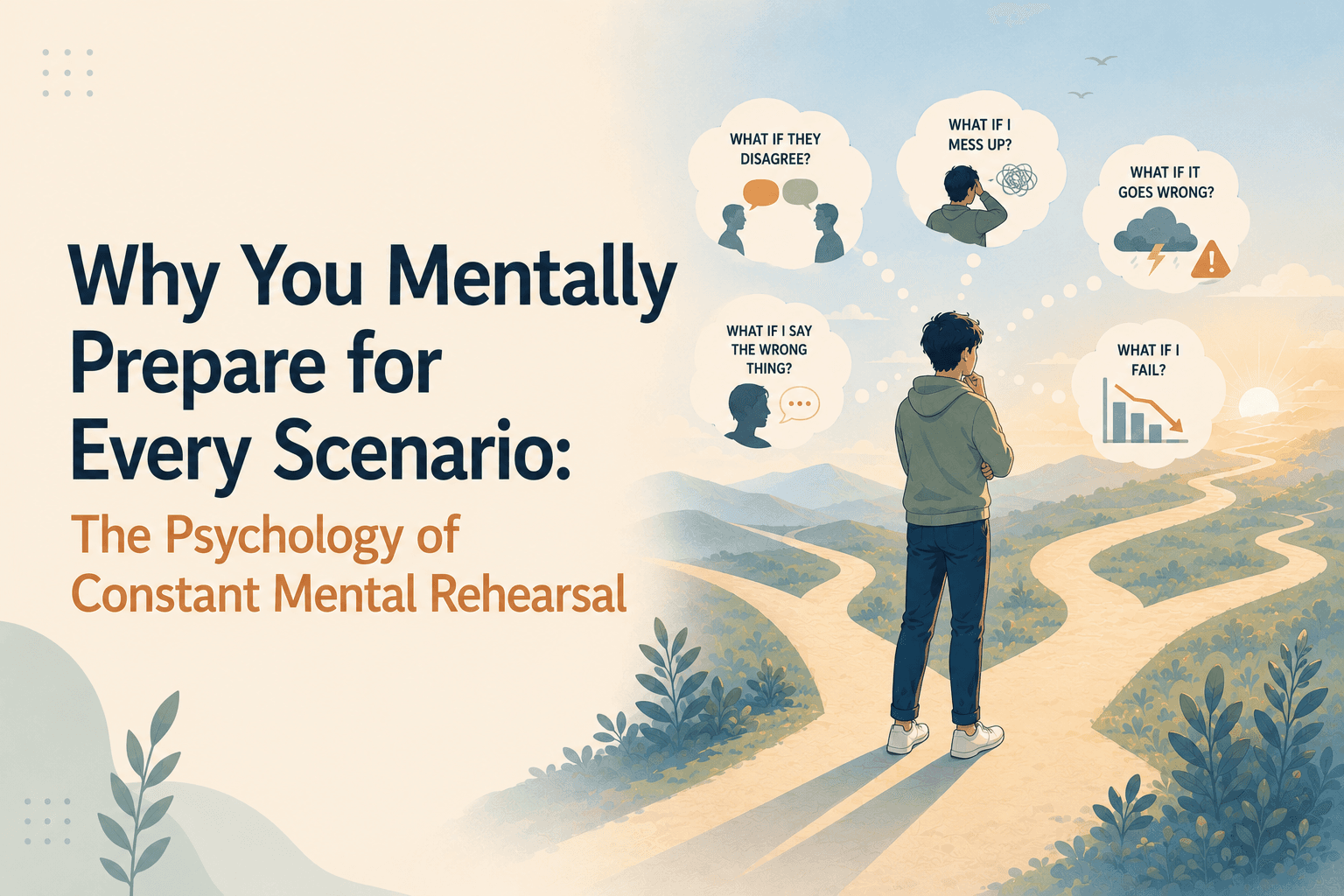
What causes overthinking is often a quiet need for certainty, where the mind repeats thoughts to avoid risk, delay action, and feel in control.

What is overthinking psychology? A subtle mental pattern where the mind repeats thoughts to reduce uncertainty, often delaying action and clarity.

Why you think more when it matters most reveals a subtle overthinking pattern where important moments trigger hesitation, doubt, and delayed action.

Why overthinking gets worse at night reveals how the mind loses distractions, amplifies uncertainty, and quietly enters deeper mental loops.

Why you can’t stop mentally rewriting the past is a quiet overthinking loop where the mind revisits moments to reduce uncertainty and self-doubt.

A quiet mental loop where clarity exists, but thinking continues to delay action.

subtle overthinking loop where the mind reprocesses interactions to avoid uncertainty and self-doubt.

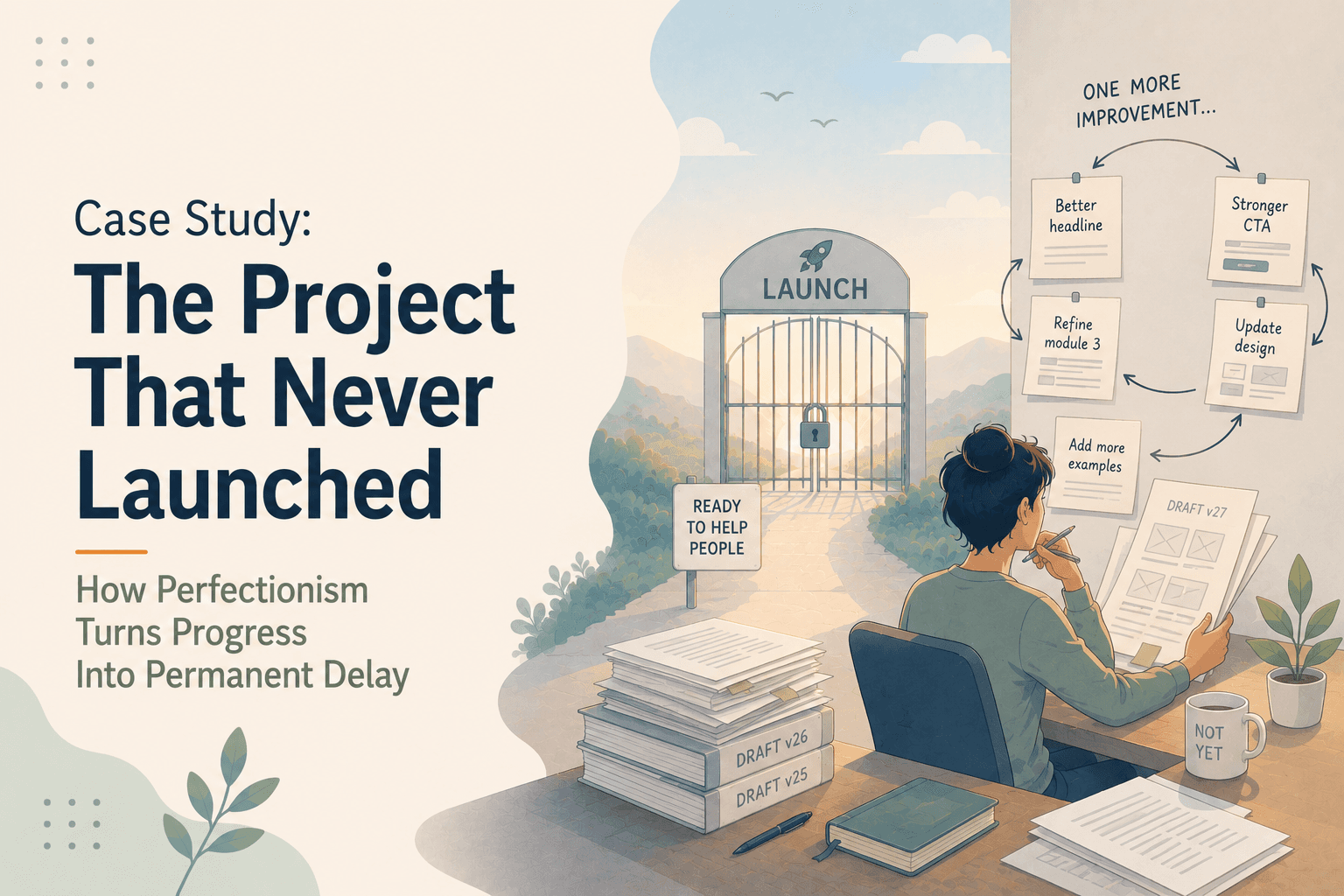
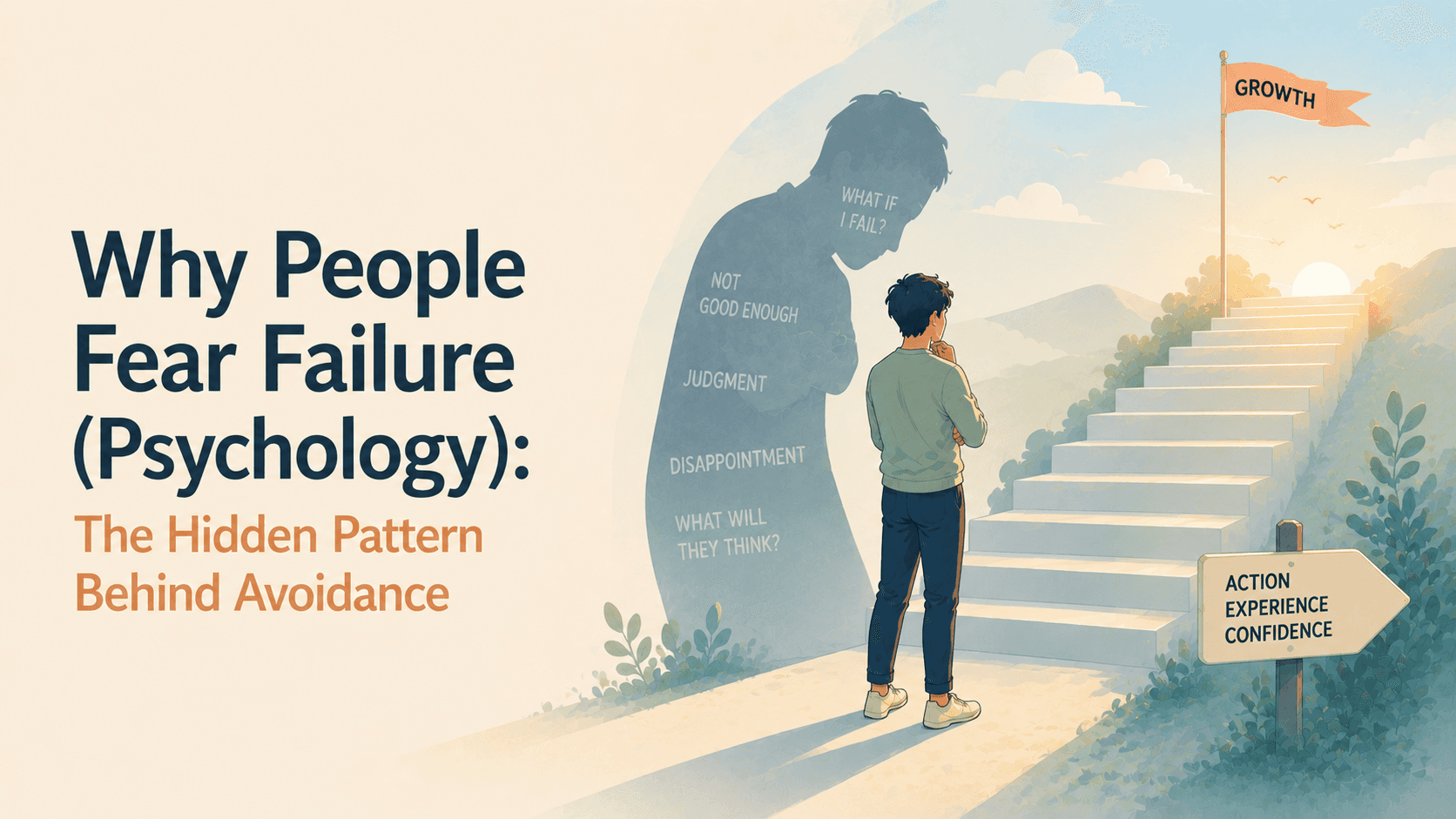
Case study of a decision that took 3 months reveals overthinking loops, fear of failure, and subtle self-sabotage patterns delaying action.

The Loop vs Decision Test helps you spot overthinking loops. A simple way to tell if your mind is thinking or just delaying action.

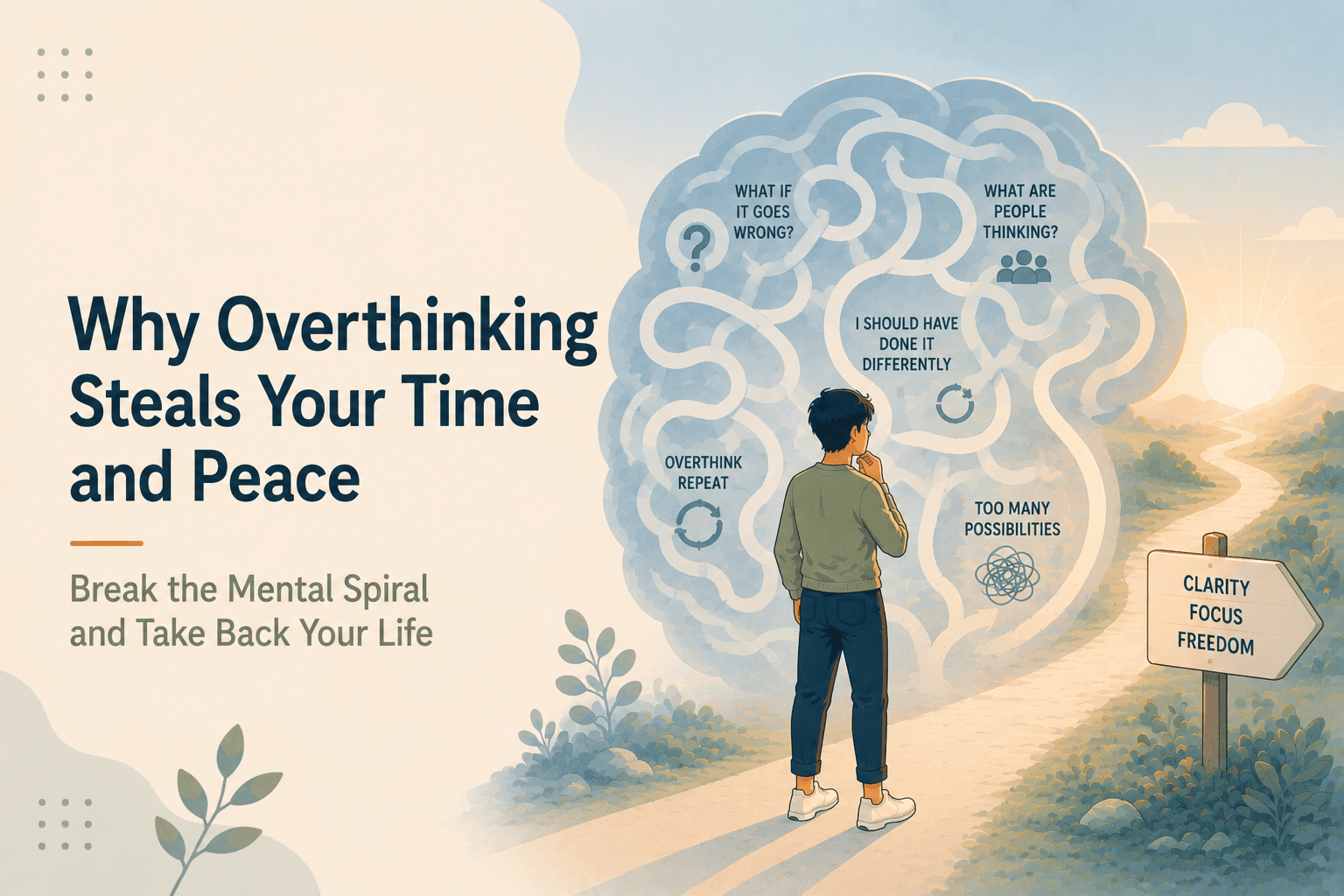
Overthinking loops explained in simple terms. A quiet pattern where the mind repeats thoughts to avoid action, creating delay and hidden self-sabotage.

This is a quiet mental loop where the brain avoids action by repeating thoughts instead of deciding.
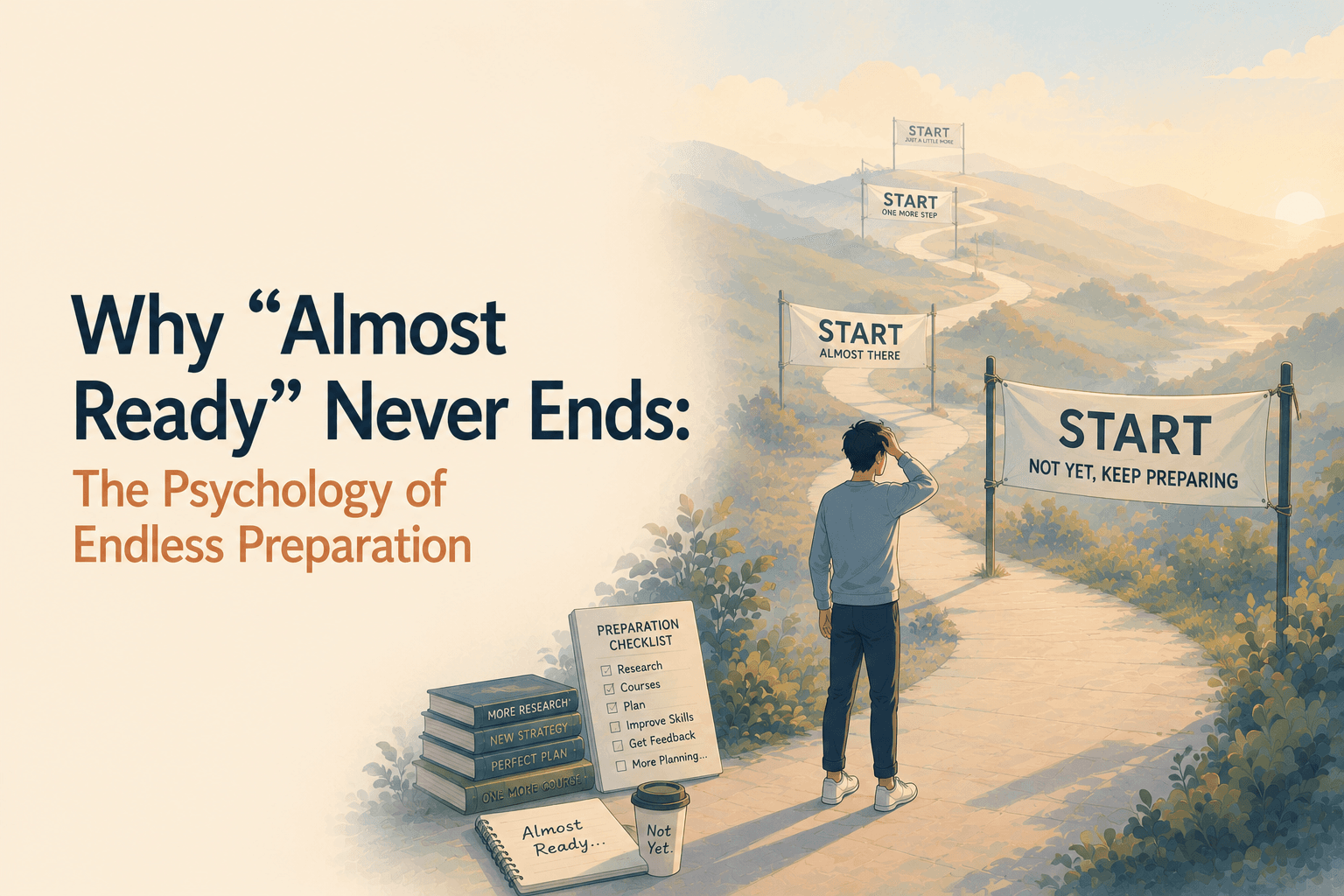
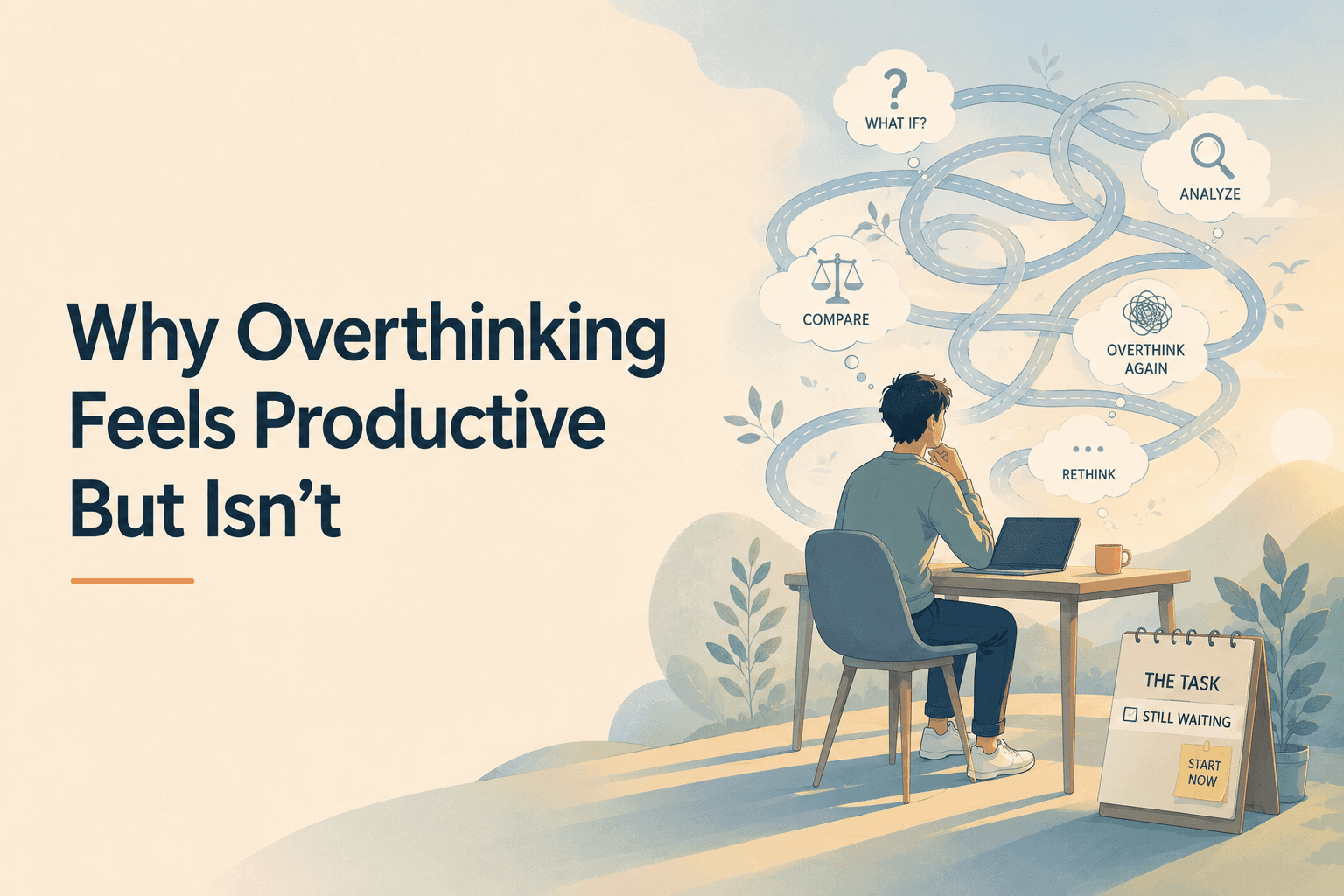
Why clarity appears only after action and how mental patterns delay decisions, creating overthinking loops and hidden self-sabotage.

Why thinking replaces action and how subtle mental patterns turn reflection into delay, creating overthinking loops and quiet self-sabotage.

Why analysis creates delay and how subtle thinking patterns turn decision-making into hesitation, overthinking loops, and quiet self-sabotage.

Over analysis psychology explains why the mind keeps rethinking decisions and how hidden mental loops create hesitation, doubt, and delayed action.

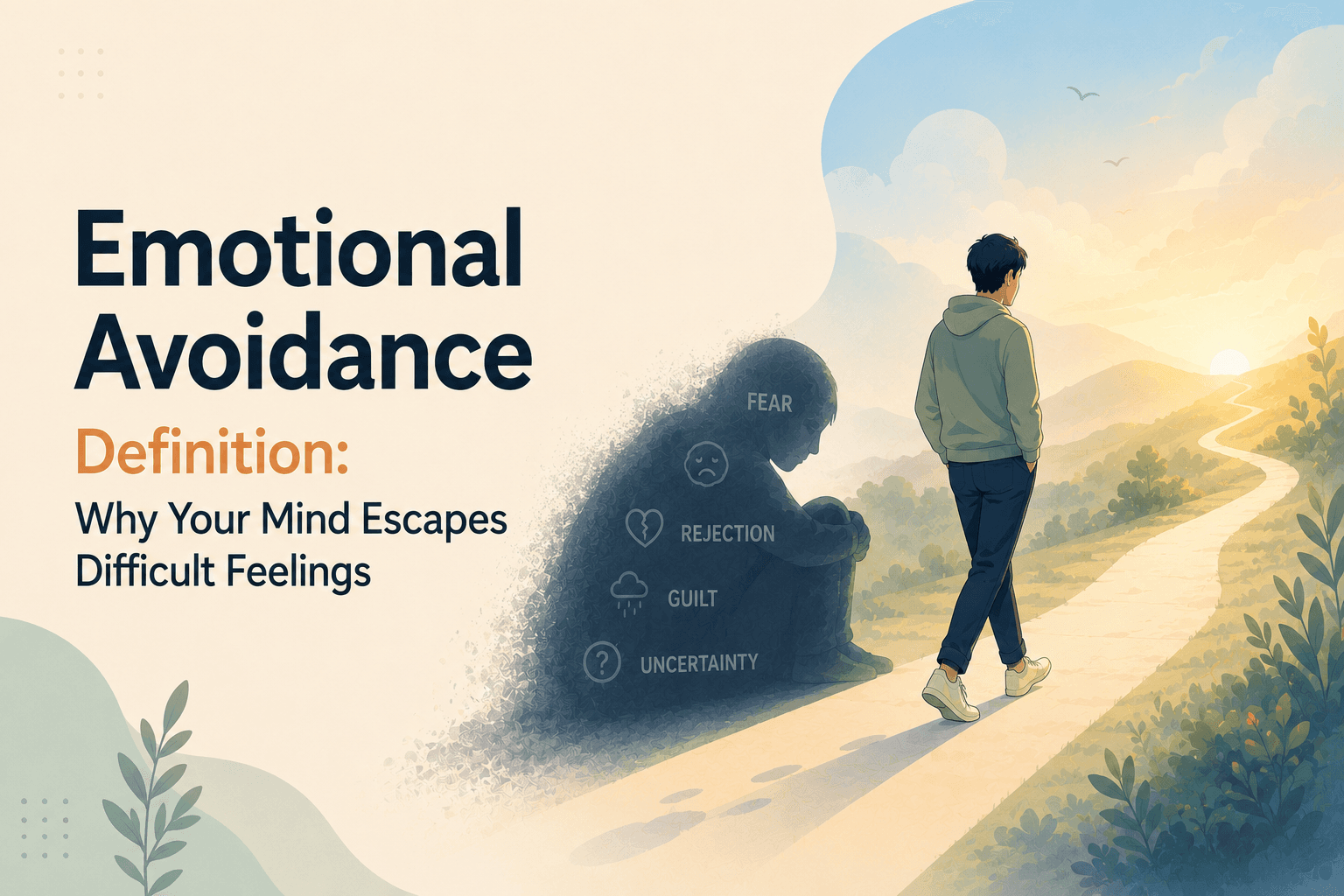
What is psychological resistance and how subtle mental patterns create delay, avoidance, and hidden self-sabotage in everyday decisions.

Why starting feels harder than continuing and how the brain creates resistance at the beginning of tasks, leading to delay and subtle self-sabotage.

Why progress feels uncomfortable and how hidden mental patterns create resistance, doubt, and subtle self-sabotage during growth.

Why the brain resists change and how subtle mental patterns create hesitation, discomfort, and quiet self-sabotage in everyday decisions.

Mental resistance psychology reveals why the mind delays action, creating hesitation, overthinking loops, and subtle self-sabotage patterns.

What is fear of success and how the mind quietly avoids growth, visibility, and change even when opportunities and progress are within reach.

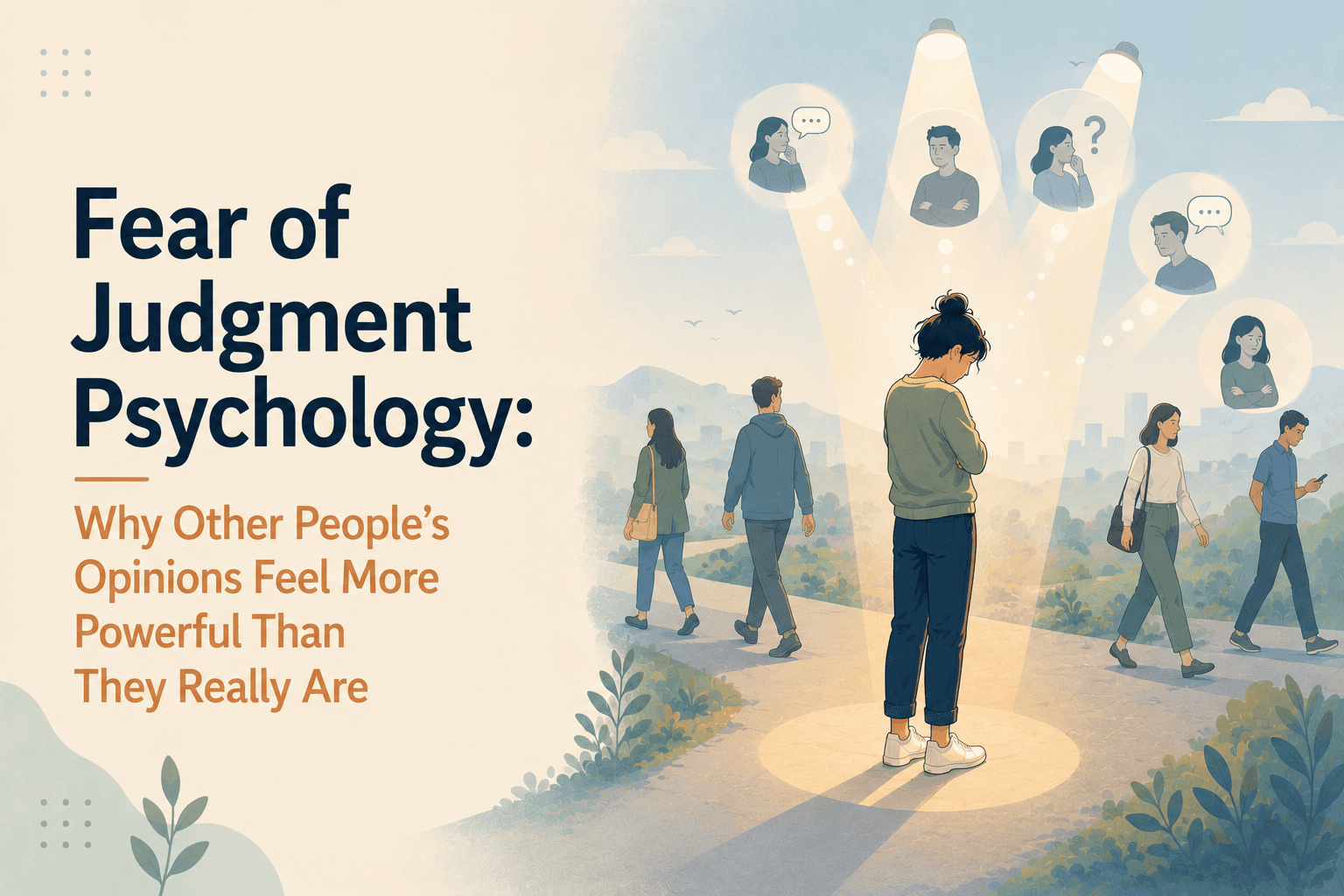
Why visibility feels dangerous and how the mind quietly avoids attention to protect itself from judgment, uncertainty, and psychological exposure.

Why people sabotage opportunities and how subtle self-sabotage patterns, overthinking, and fear of uncertainty quietly interfere with growth.

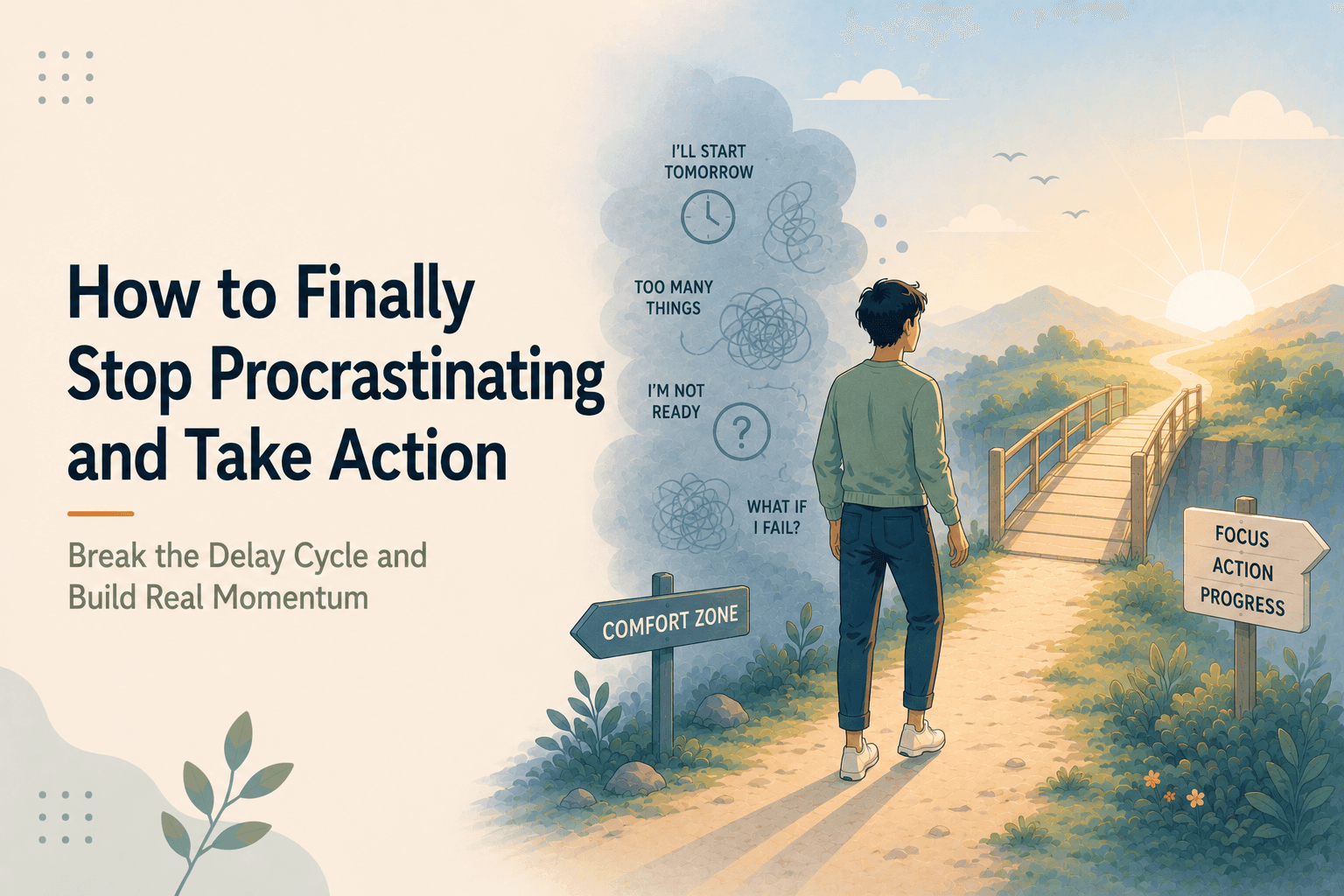
A simple procrastination psychology definition explaining why the mind delays action, how procrastination patterns form, and the hidden psychology behind putting things off.

Why urgency motivates action and why people suddenly become productive near deadlines. A psychological look at urgency, procrastination, and self-sabotage patterns.

Understand Why procrastination feels productive and how the mind quietly turns delay into preparation through planning, overthinking, and subtle self-sabotage patterns.

Why intelligent people procrastinate and how deep thinking quietly turns into delay, overthinking loops, and subtle self-sabotage patterns.

Procrastination patterns explain why intelligent people delay action even when they know what to do. Learn the psychology behind procrastination loops and how to break them.

Why smart people self sabotage and how intelligence can quietly turn into overthinking, hesitation, and subtle self-sabotage patterns.

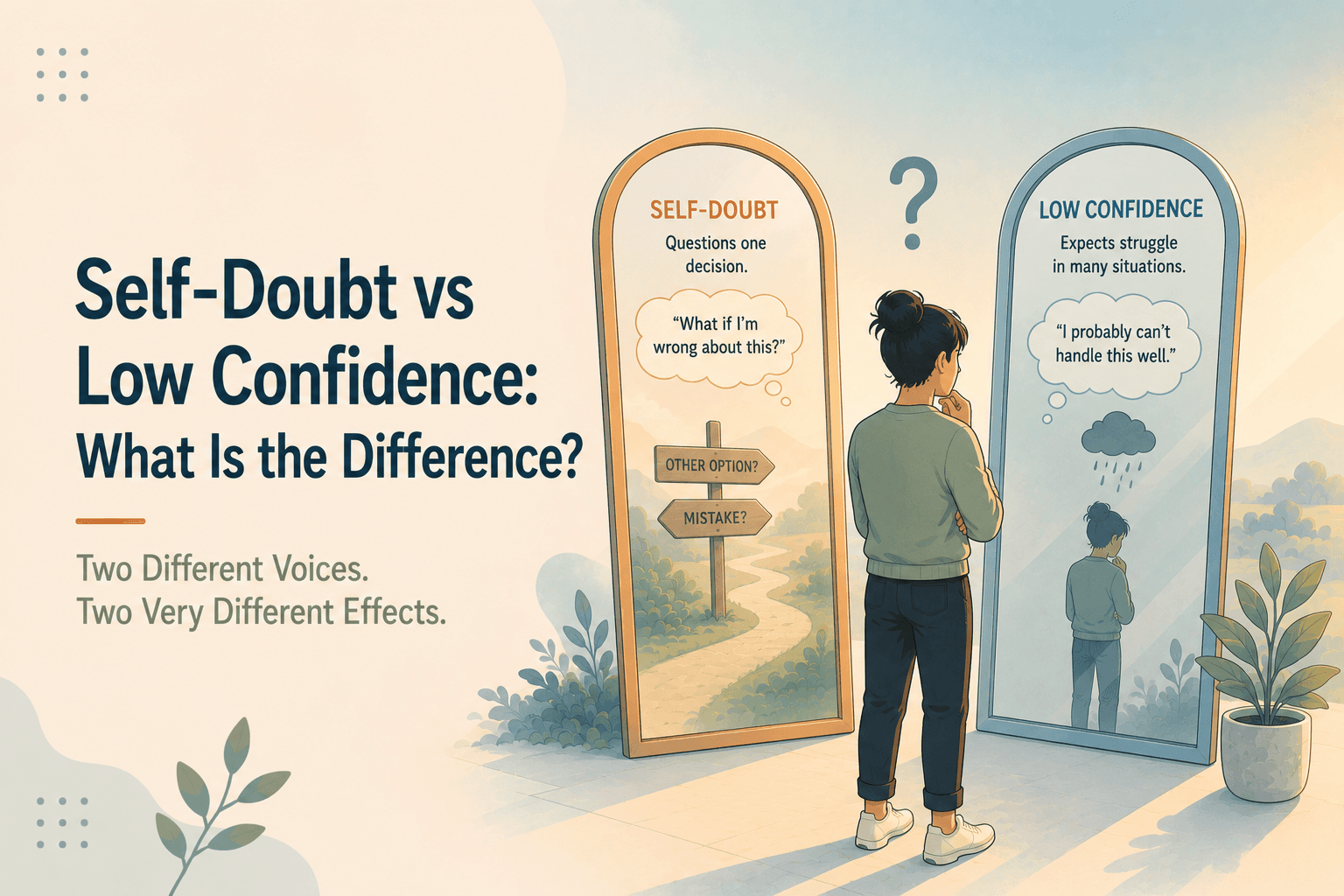
What Self-Doubt Psychology is and The Quiet Pattern Behind Questioning Yourself.

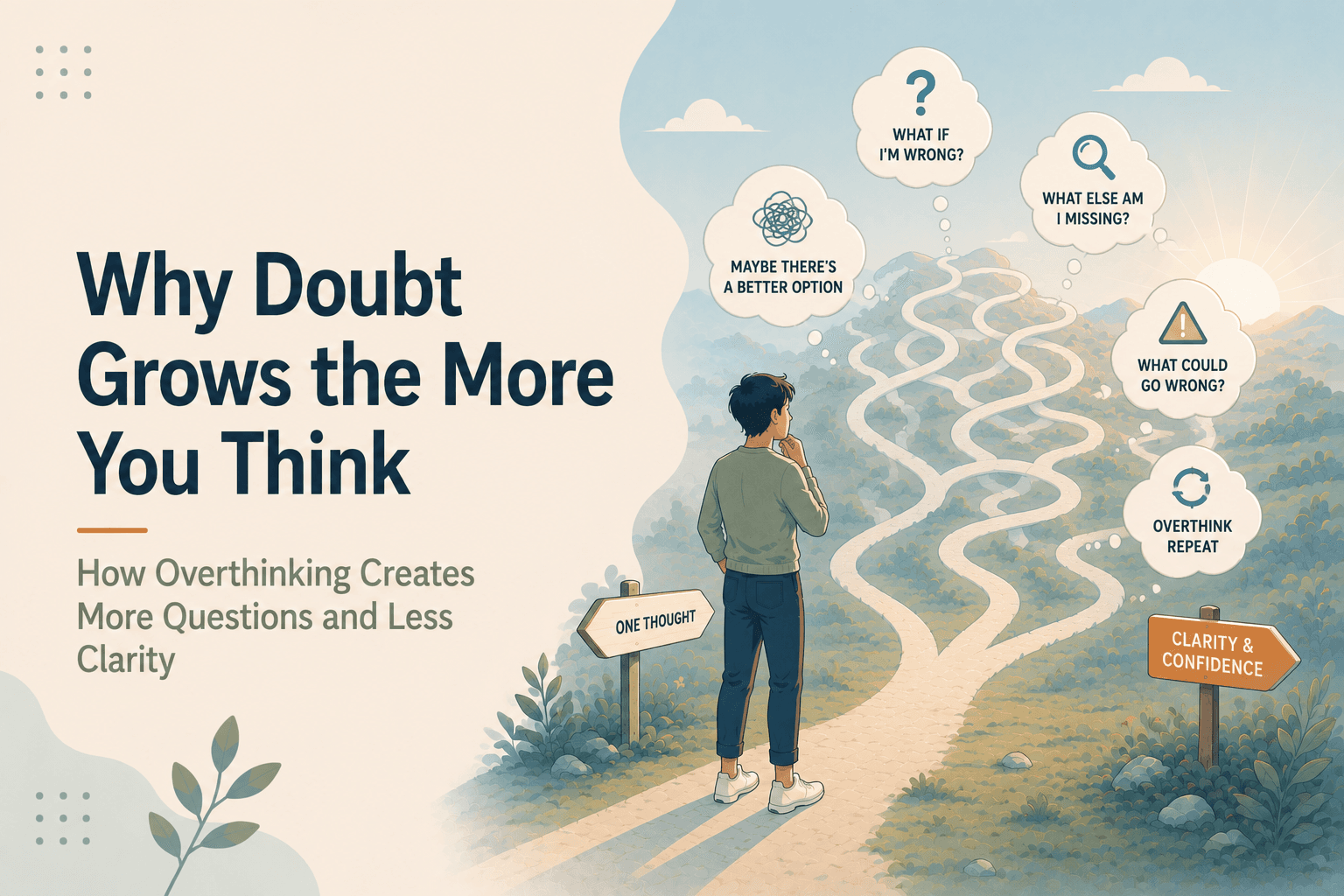
Why doubt grows when you overthink and how repeated mental analysis quietly turns uncertainty into self-doubt and subtle self-sabotage patterns.

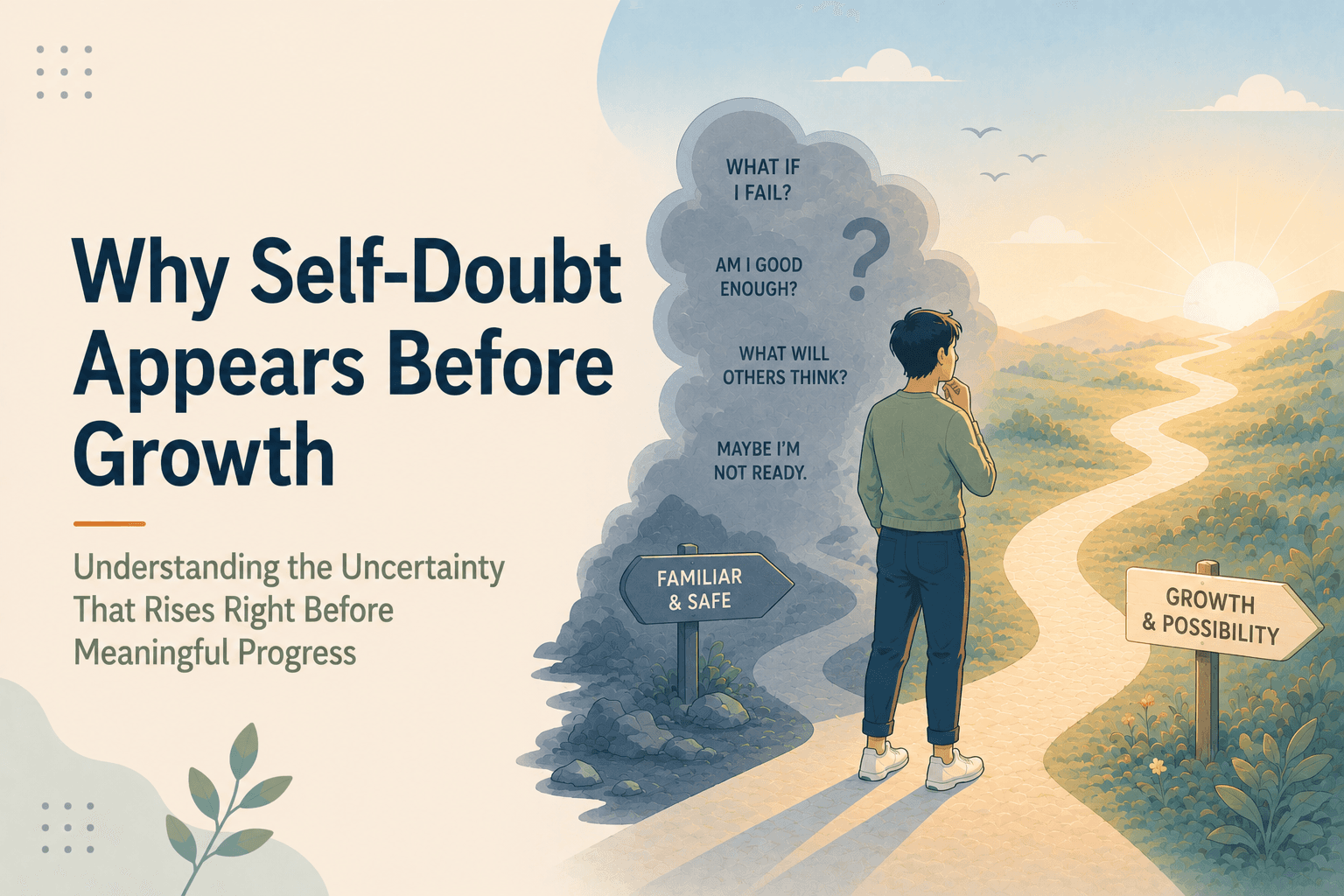
Why self-doubt appears before growth and how the mind reacts when stepping into new territory. A psychological look at self-doubt, overthinking, and subtle self-sabotage patterns.

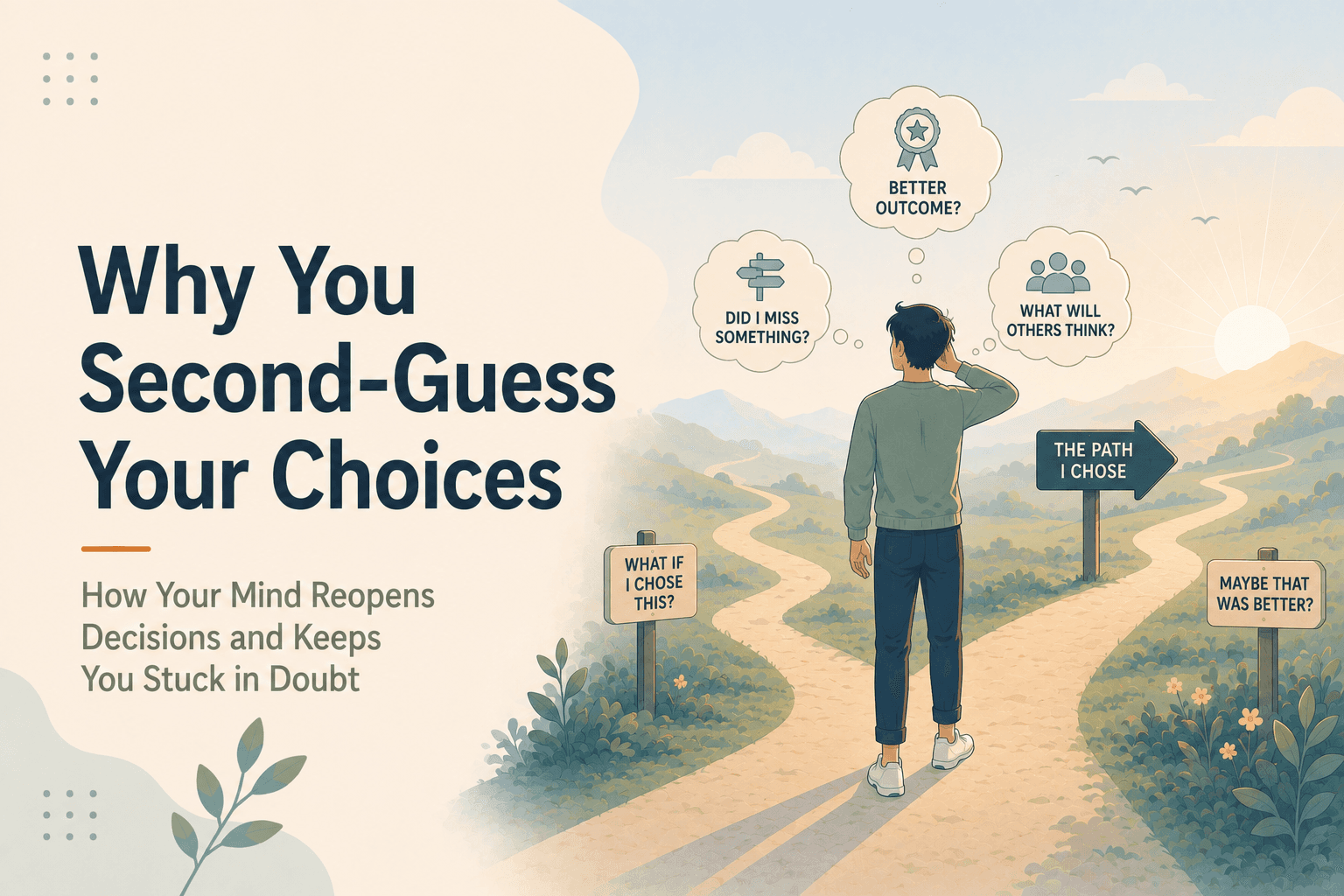
Why thinking too much delays decisions and how overthinking quietly turns careful analysis into hesitation, mental loops, and subtle self-sabotage.

Why intelligent people struggle with decisions and how deep thinking can quietly turn into overthinking, hesitation, and subtle self-sabotage patterns.

Why Too Many Choices Create Anxiety