#procrastination psychology
Curated collection of insights and research specifically labeled under the procrastination psychology taxonomy.
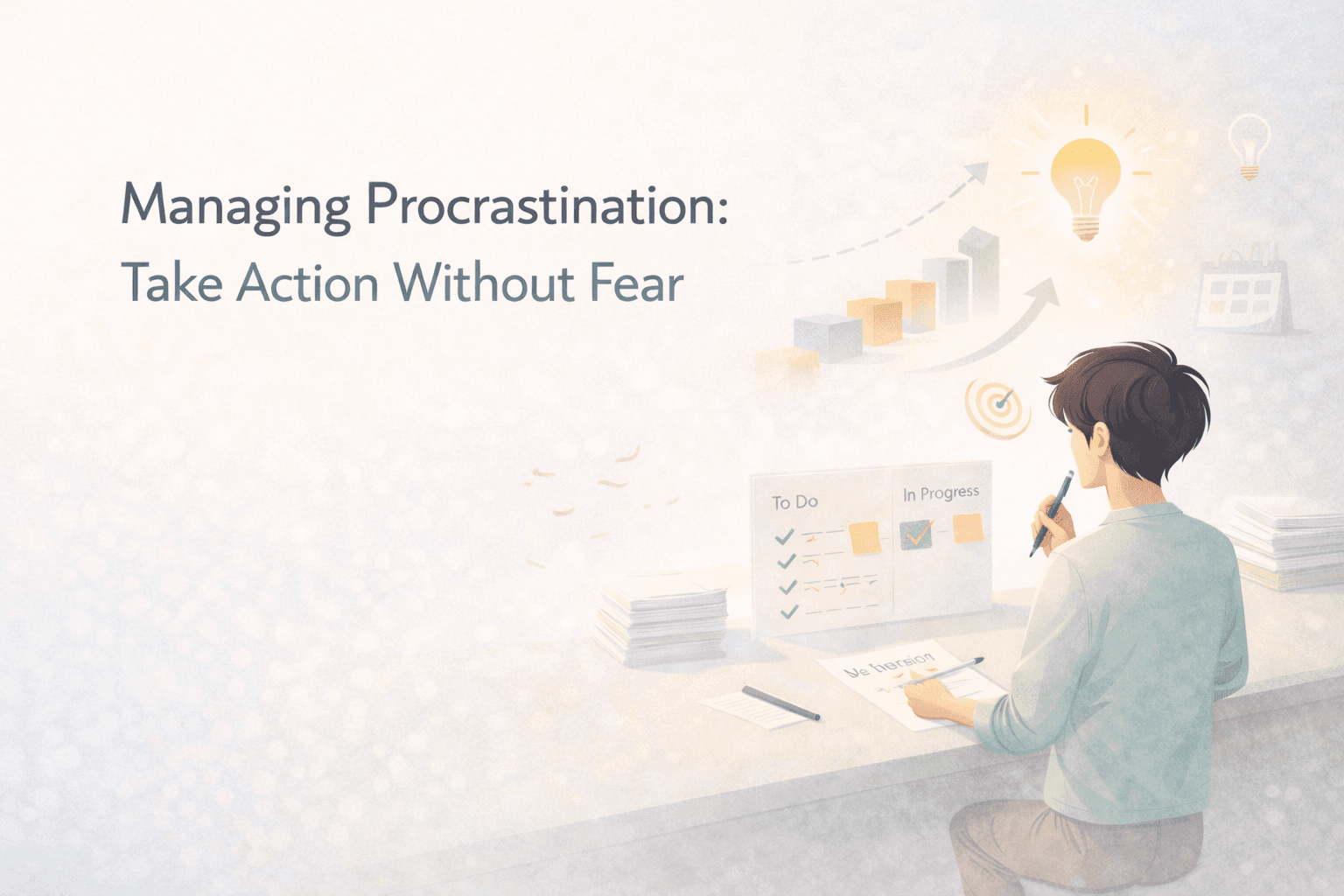

Managing Procrastination: Take Action Without Fear
Procrastination isn’t laziness. Learn to break the cycle, stop overthinking, overcome self-sabotage, and take action with confidence using practical, easy-to-follow strategies.
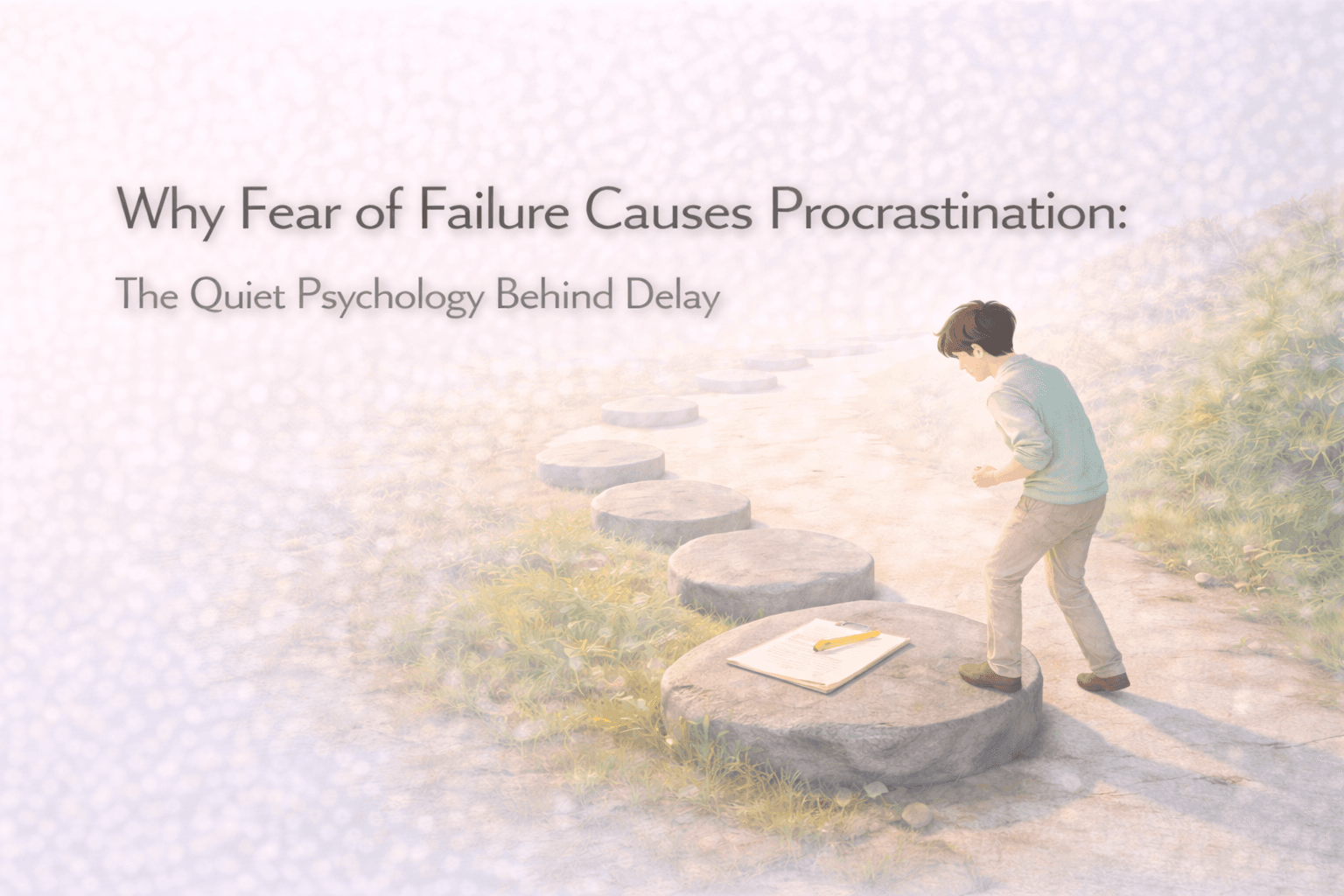
Why Fear of Failure Causes Procrastination: The Quiet Psychology Behind Delay
Why fear of failure causes procrastination is a subtle psychological pattern. Learn how the mind delays action to avoid mistakes and protect identity.
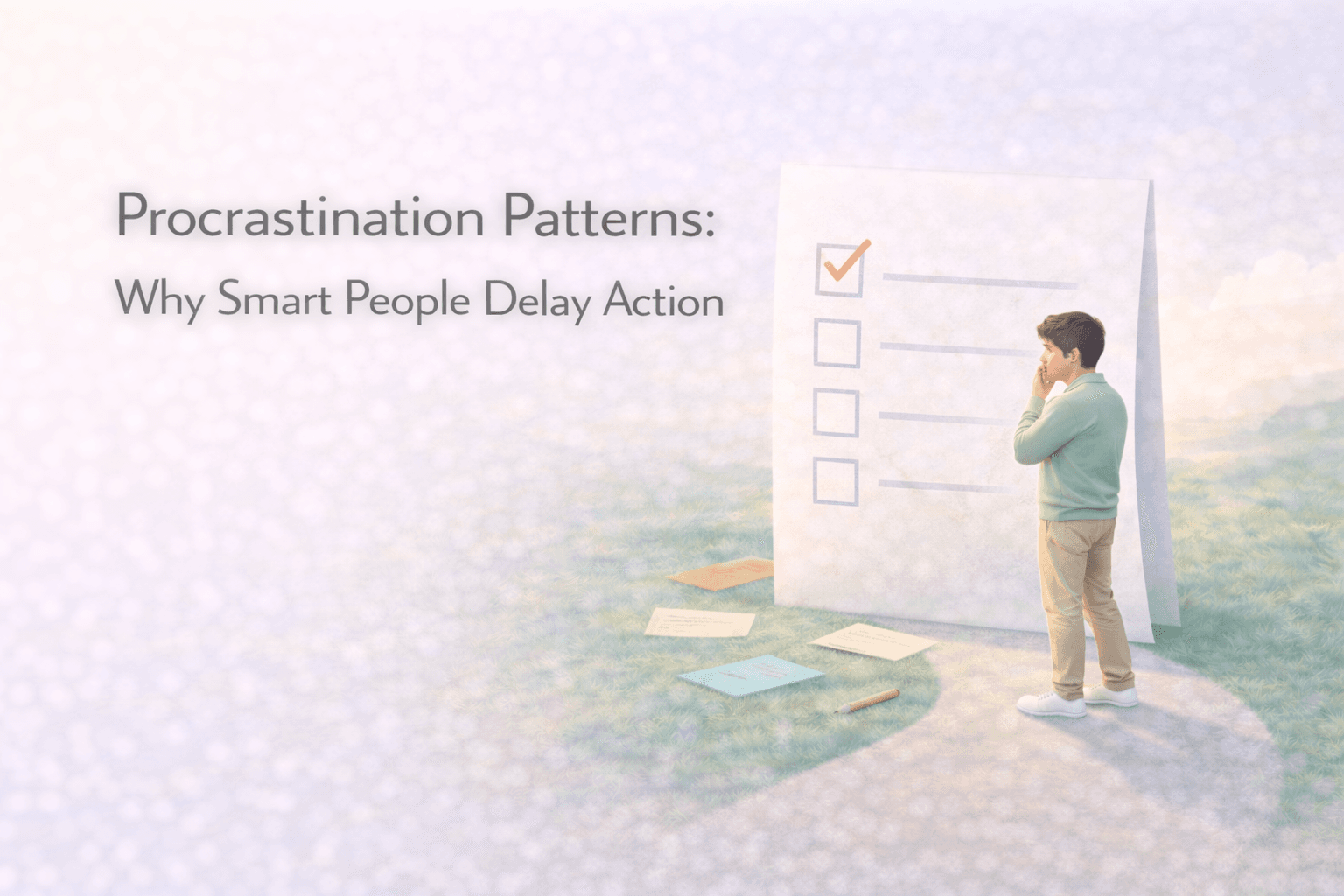
Procrastination Patterns: Why Smart People Delay Action
Procrastination patterns explain why intelligent people delay action even when they know what to do. Learn the psychology behind procrastination loops and how to break them.
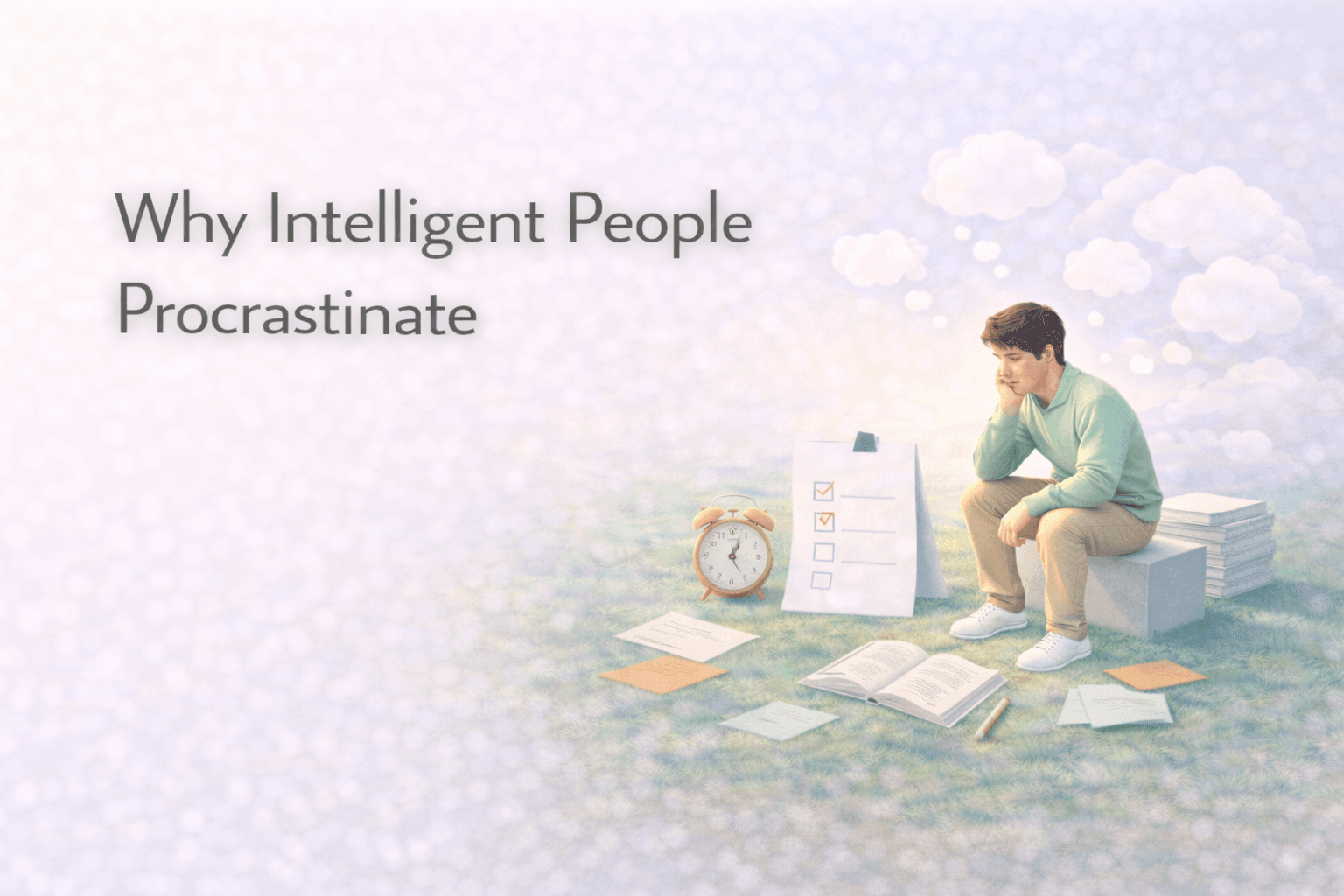
Why Intelligent People Procrastinate
Why intelligent people procrastinate and how deep thinking quietly turns into delay, overthinking loops, and subtle self-sabotage patterns.
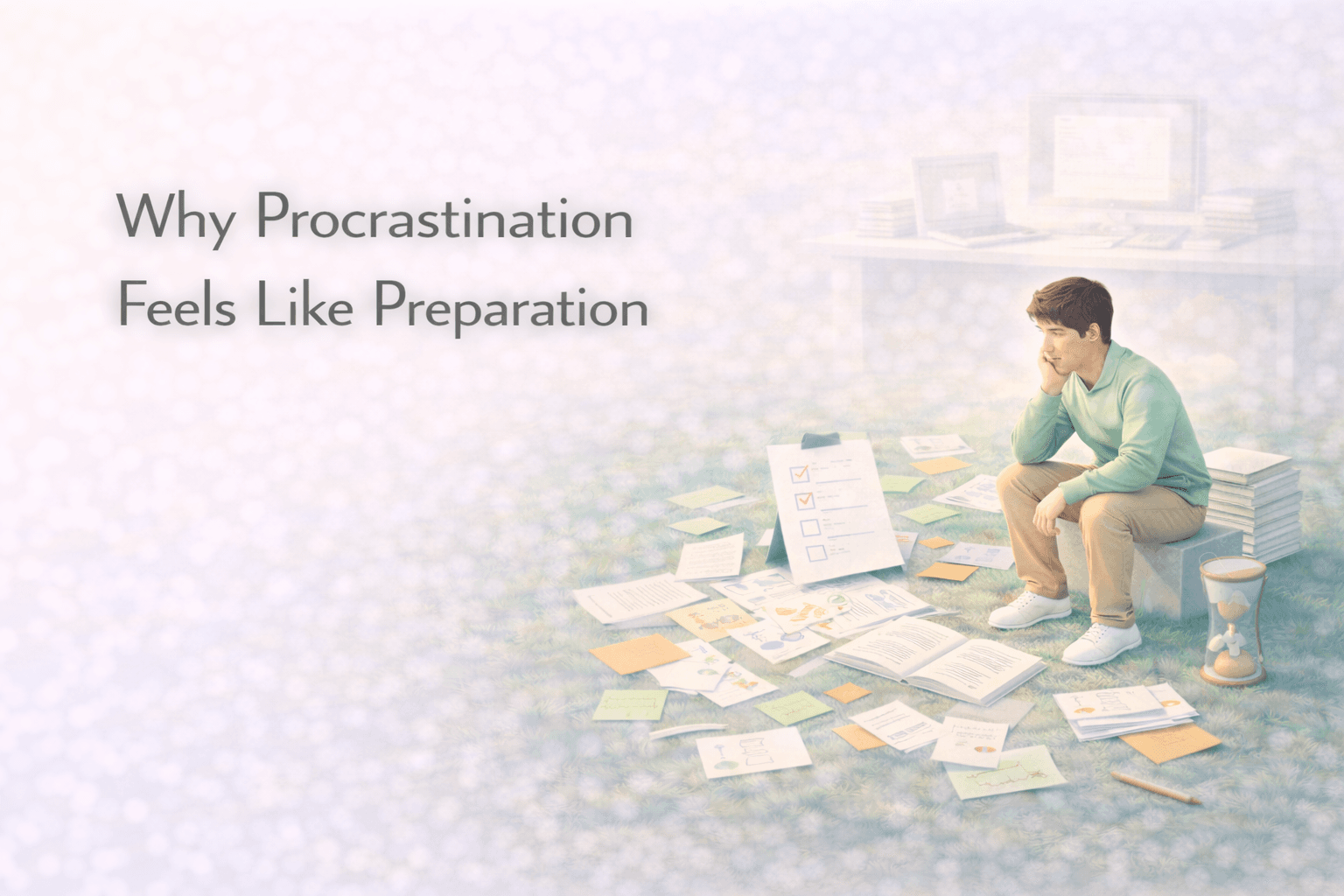
Why Procrastination Feels Like Preparation
Understand Why procrastination feels productive and how the mind quietly turns delay into preparation through planning, overthinking, and subtle self-sabotage patterns.
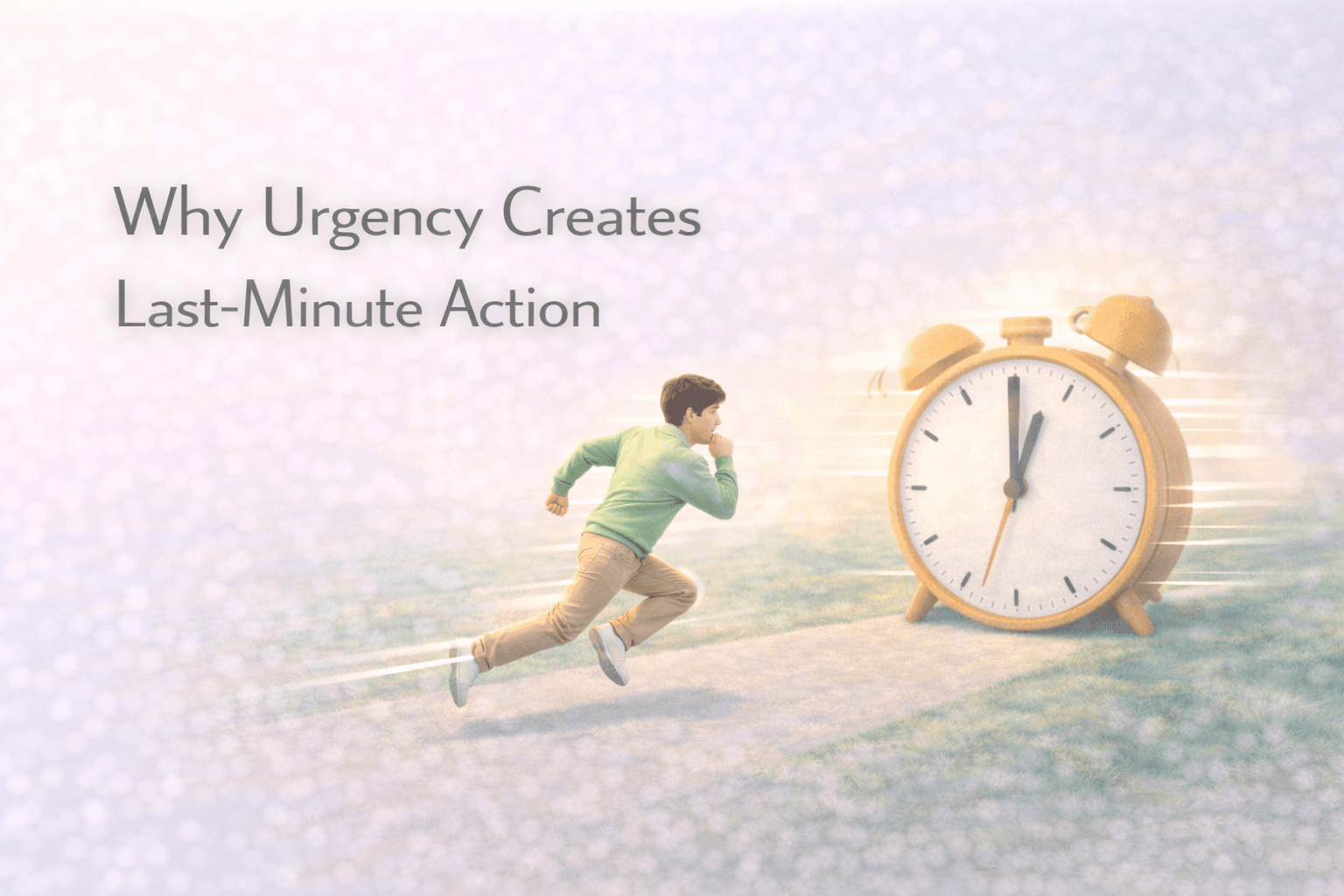
Why Urgency Creates Last-Minute Action
Why urgency motivates action and why people suddenly become productive near deadlines. A psychological look at urgency, procrastination, and self-sabotage patterns.
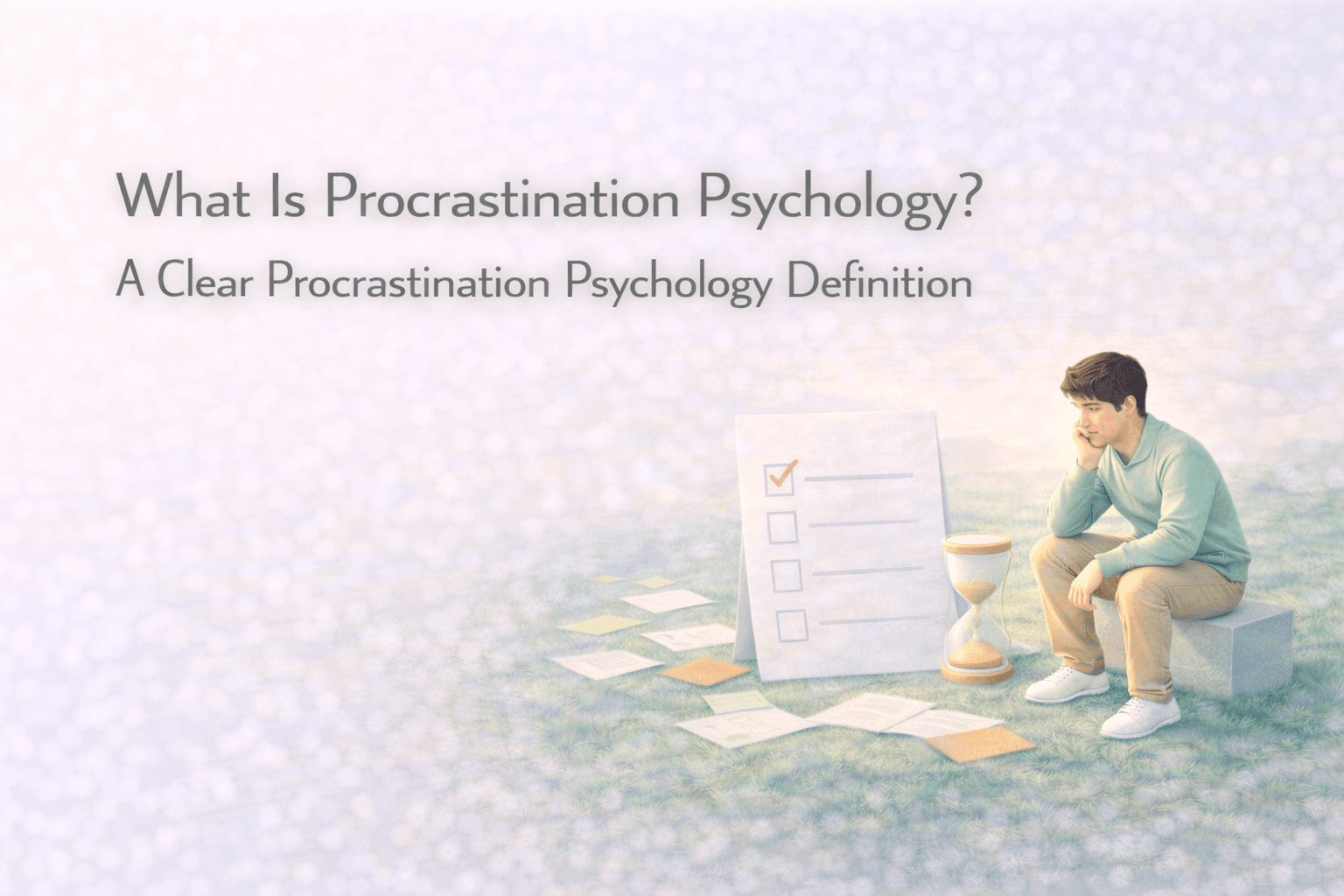
What Is Procrastination Psychology? A Clear Procrastination Psychology Definition
A simple procrastination psychology definition explaining why the mind delays action, how procrastination patterns form, and the hidden psychology behind putting things off.
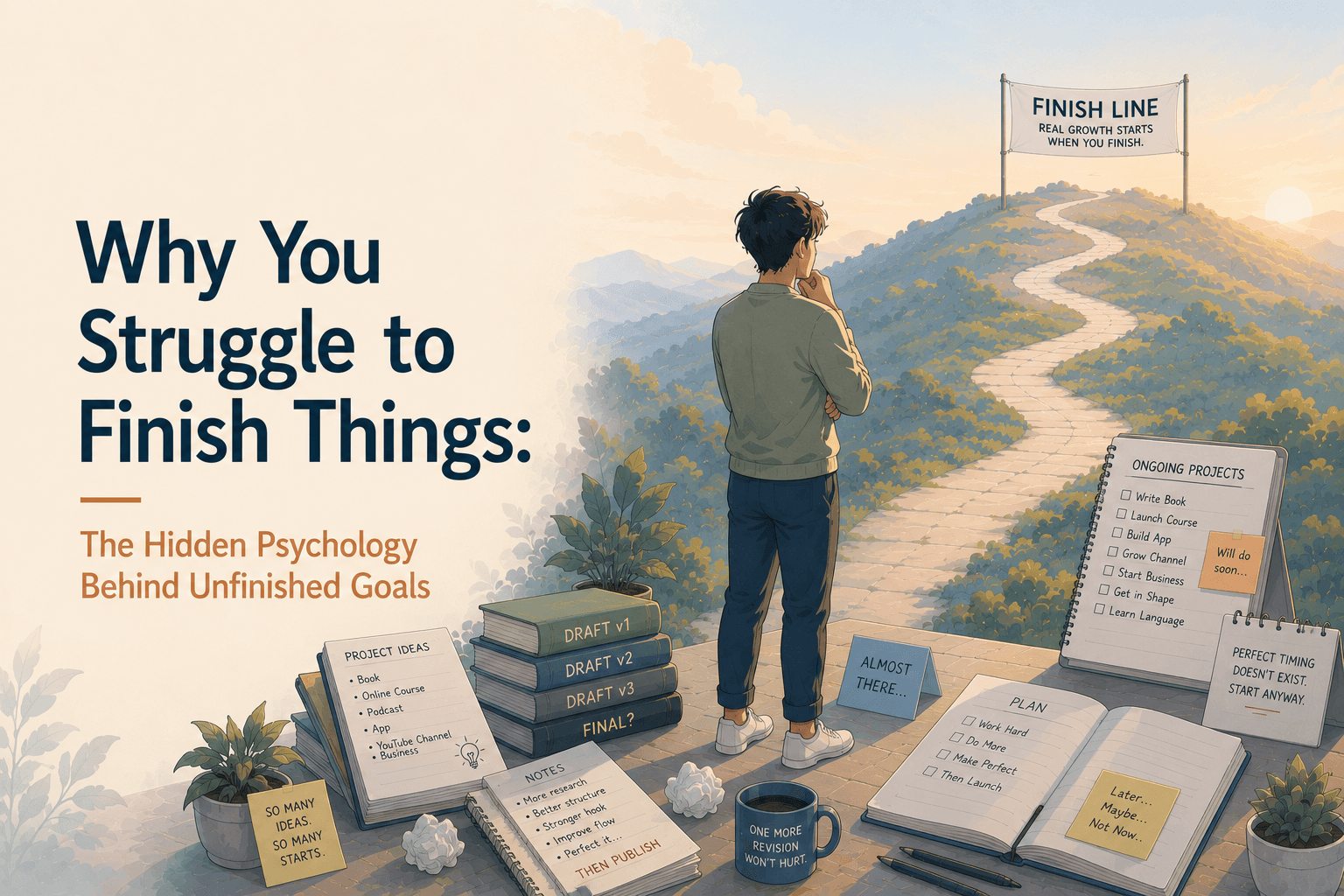
Why You Struggle to Finish Things: The Hidden Psychology Behind Unfinished Goals
Why you struggle to finish things reveals how fear, perfectionism, and overthinking quietly turn promising beginnings into unfinished projects.
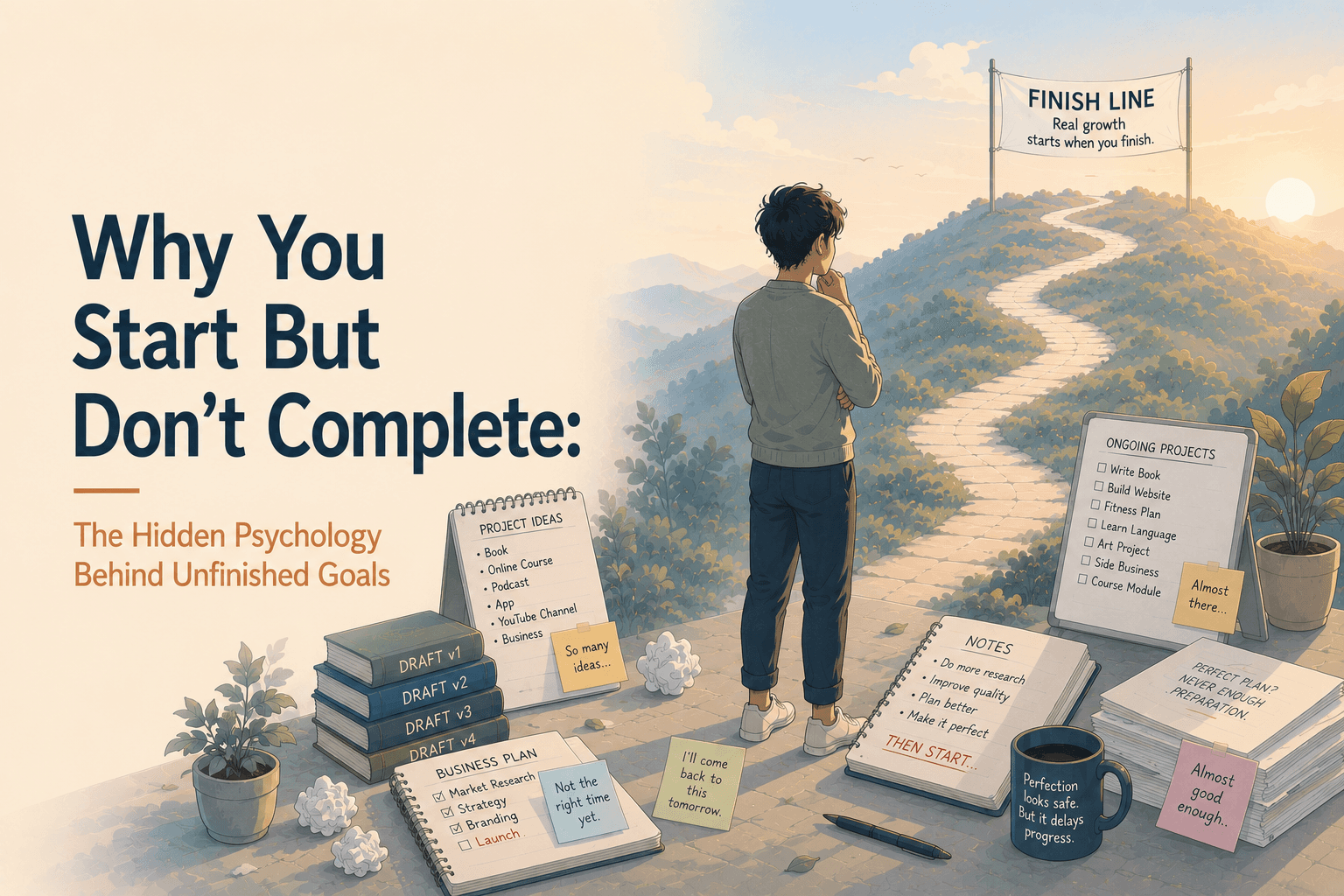
Why You Start But Don't Complete: The Hidden Psychology Behind Unfinished Goals
Why you start but don't complete reveals how fear, perfectionism, and emotional avoidance quietly stop progress long before the finish line.
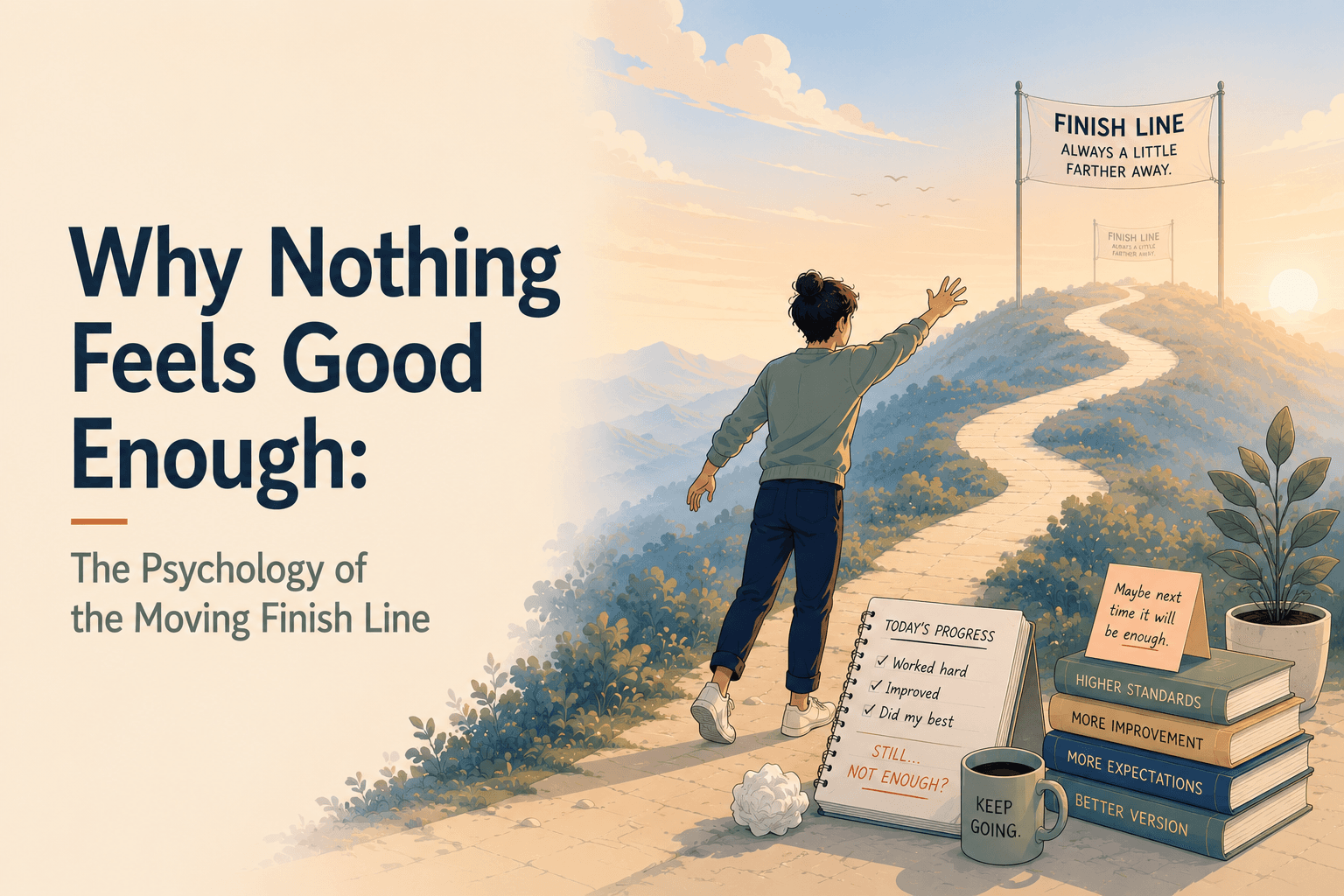
Why Nothing Feels Good Enough: The Psychology of the Moving Finish Line
Why nothing feels good enough explores how perfectionism, self-doubt, and shifting expectations quietly prevent satisfaction, making every achievement feel incomplete.